Sports sponsorship: how to get a sponsor for your club
A guide to sports sponsorship: how to find a sponsor for your club step by step, with a proposal-letter template, and why you should not rely on it alone.
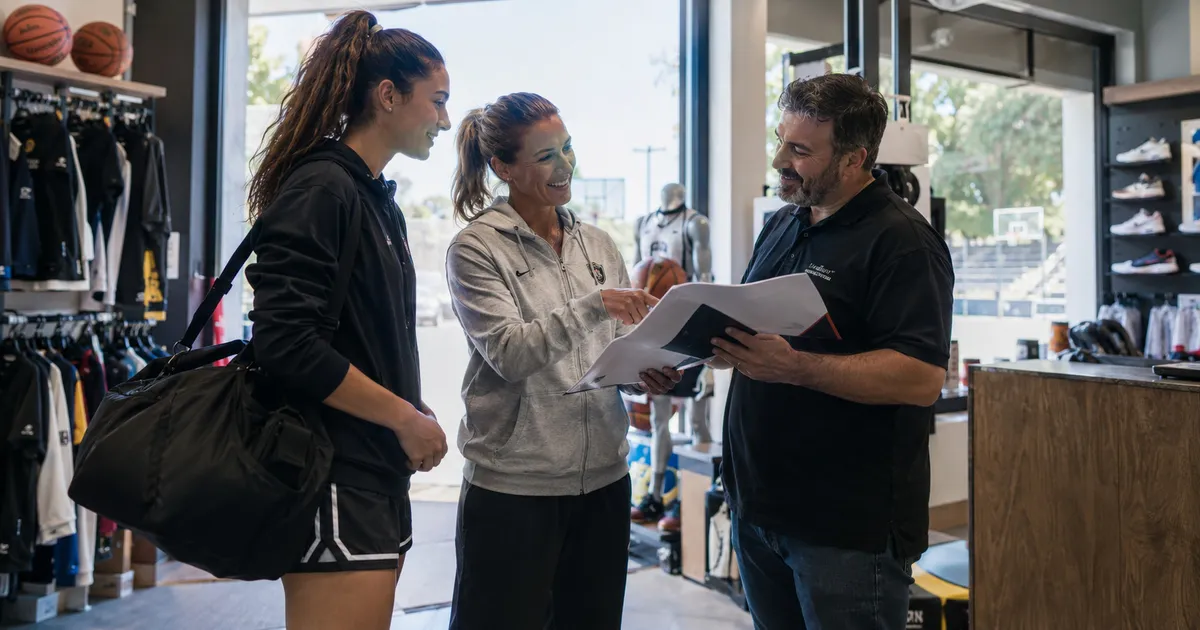
The club’s finance meeting comes round and the numbers don’t add up: kit, referees, travel, the league entry fee. Someone says it out loud: “we should find a sponsor.” Everyone nods. And there it stays, because nobody’s quite sure where to start or what a business gets in return.
That’s exactly what this article is about: what sports sponsorship really is, how to get a sponsor step by step (with a proposal-letter template you can copy), and an honest warning about why your club shouldn’t lean on it alone.
What sports sponsorship is (and isn’t)
Sports sponsorship isn’t a donation or an act of charity. It’s an exchange: a business gives you money, kit or services, and in return gets visibility with your community. Grasping this changes everything, because you stop “asking a favour” and start “offering a deal”.
That difference is what separates an email that lands in the bin from a proposal a business actually reads to the end. You’re not asking the sponsor to be generous, you’re showing them what they gain. And unlikely as it seems, even a grassroots club has things to offer.
Sponsorship is one of several ways to keep a club going, alongside subs, events or cashback (we compare them in alternatives to raffles ). Here we focus on getting the most out of this one.
What your club can offer a sponsor
Before you write to anyone, take stock of your assets. A small club has more than it thinks:
- The shirt and the kit. The classic and most visible slot: a logo on the chest, the sleeve or the shorts. Every match, every team photo, every away trip carries it around.
- The club’s social media. If you post results, photos and clips, you have a tightly local audience. Mentions, posts and stories carry real value for a neighbourhood business.
- The ground and your events. Pitch-side boards, banners, the summer tournament, the season launch. Anywhere your people gather is a sponsorable space.
- The community. Families, members and neighbours who trust what the club recommends. This is your most underrated asset, and it’s the one that connects to cashback further down.
You don’t need it all polished. You need to know what you have so you can put a price on it.
How to get a sports sponsor, step by step
With the inventory done, here’s the practical part — how to find sponsors for your sports club without shooting in the dark:
- Draw up a realistic list of businesses. Start with the close circle: places the families already shop, companies run by club parents, shops in the neighbourhood. Far easier than cold-calling a big brand that’s never heard of you.
- Prepare a short pack. One or two pages: who you are, how many players and families you move, your reach on social media, and the spaces you offer. With photos. Make it clear in thirty seconds.
- Personalise every approach. Nobody signs off on a “dear sir/madam”. To land a sponsor for real, spell out why that business fits your club and your audience. A generic email shows, and gets ignored.
- Offer packages, not a loose figure. Give options — say bronze, silver and gold — with what each includes. The business picks its tier and your average deal size goes up.
- Follow up. Most “no”s are really “I haven’t looked at it yet”. A friendly nudge a week later converts more than you’d expect.
If you coach one side, the same method works to get sponsors for a football team: scale it down, aim at the local pub, the supporters’ group or the nearby sports shop, and offer the team’s shirt and socials.
Types of sports sponsorship (and which suits you)
Not all sponsorship is money in the bank. It pays to know what you’re after before you go asking:
| Type | What it brings | Best for | The catch |
|---|---|---|---|
| Local / proximity | Small sums or one-off help | Neighbourhood and grassroots clubs | Modest amounts |
| In kind (goods) | Kit, water, transport, services | When you lack gear more than cash | Doesn’t pay bills or fees |
| Cash / brand | Money for serious visibility | Clubs with an audience and reach | Demands a real, measurable return |
For most small clubs the realistic answer is a mix: a couple of local sponsors and something in kind. The big cash deal arrives once you’ve got an audience to show.
The sponsorship proposal letter
A good sponsorship proposal letter fits on one page and has five parts. You can copy this structure as it stands:
- Who you are. One line of introduction: club name, level, years of history and how many people you move. “We’re Example FC, with 8 teams and over 150 families in the district of…”
- What you offer. The concrete spaces: shirt, socials, boards, events. Be specific. Don’t just say “visibility”.
- What you’re asking for. The figure or the package. Leaving it out forces the business to write back to ask, and many won’t.
- Why it’s worth it to them. Here you link their business to your audience: “Your customers are the same families who fill our stands every Saturday.”
- The call to action. Propose a clear next step: a call, a coffee, a fifteen-minute meeting. Don’t leave it hanging.
Close with real contact details and a named person. A short, specific, personalised letter beats a ten-page pack nobody reads.
The limit of sponsorship (and how to cover it)
Now the honest part. Sponsorship is a great route, but it has a structural weakness: you don’t control it. It depends on a business having a budget, on that budget fitting you this year, and on someone keeping the relationship alive. It’s easier for the big club with an audience than for the grassroots one, which is exactly the one that needs it most. And a sponsor who says yes this year can cut back and say no the next.
A sponsor is a yes you don’t control. Cashback is a fund you do.
That’s why sponsorship works best as the spike, not the backbone. You build the base with something that doesn’t hang on a third party’s decision: cashback. When the club’s families do their everyday shopping at a partner store through Esportik, the store pays a commission and that commission comes back directed to the club, at the same price and no extra cost. We explain it in full in what is cashback, and the maths of how it builds up is in support your club.
Combine the two and the club stops living hand to mouth: chase sponsorship for the spikes, as you would with a sports crowdfunding campaign, and let cashback hold up the baseline month by month.
Frequently asked questions
How much can you ask a sponsor for? It depends on what you offer and on your audience. For a neighbourhood club, local sponsorships tend to sit at modest sums, which is why it pays to offer packages and add up several small ones rather than wait for a single big one.
Can a small club get sponsorship? Yes, but by aiming close: local shops, family businesses, firms that already share your audience. Proximity matters more than size.
Is sponsorship the same as a donation? No. A donation is money with nothing in return; sponsorship is an exchange, with visibility given back, and the two are often treated differently for tax. If you’re unsure on the tax side, check with an accountant. For which club costs each funding route covers, see what can be financed.
Start with what you control
Go and find sponsors: it’s worth it, and with a good pack and a personalised letter you’ll land more than you think. But don’t rest the whole club on a decision someone else makes.
Choose your club or create its profile among the available profiles and start building today the fund that does depend on you, so sponsorship is a bonus, not the only net holding the team up.